Khaddam recounts in his memoirs his final meeting in Damascus… Bashar al-Assad to Hariri: “Whoever opposes me, I will break his bones.”

publisher: https://aawsat.com/

AUTHOR: الشرق الأوسط

Publishing date: 2026-08-20

Facebook
Twitter
LinkedIn
WhatsApp

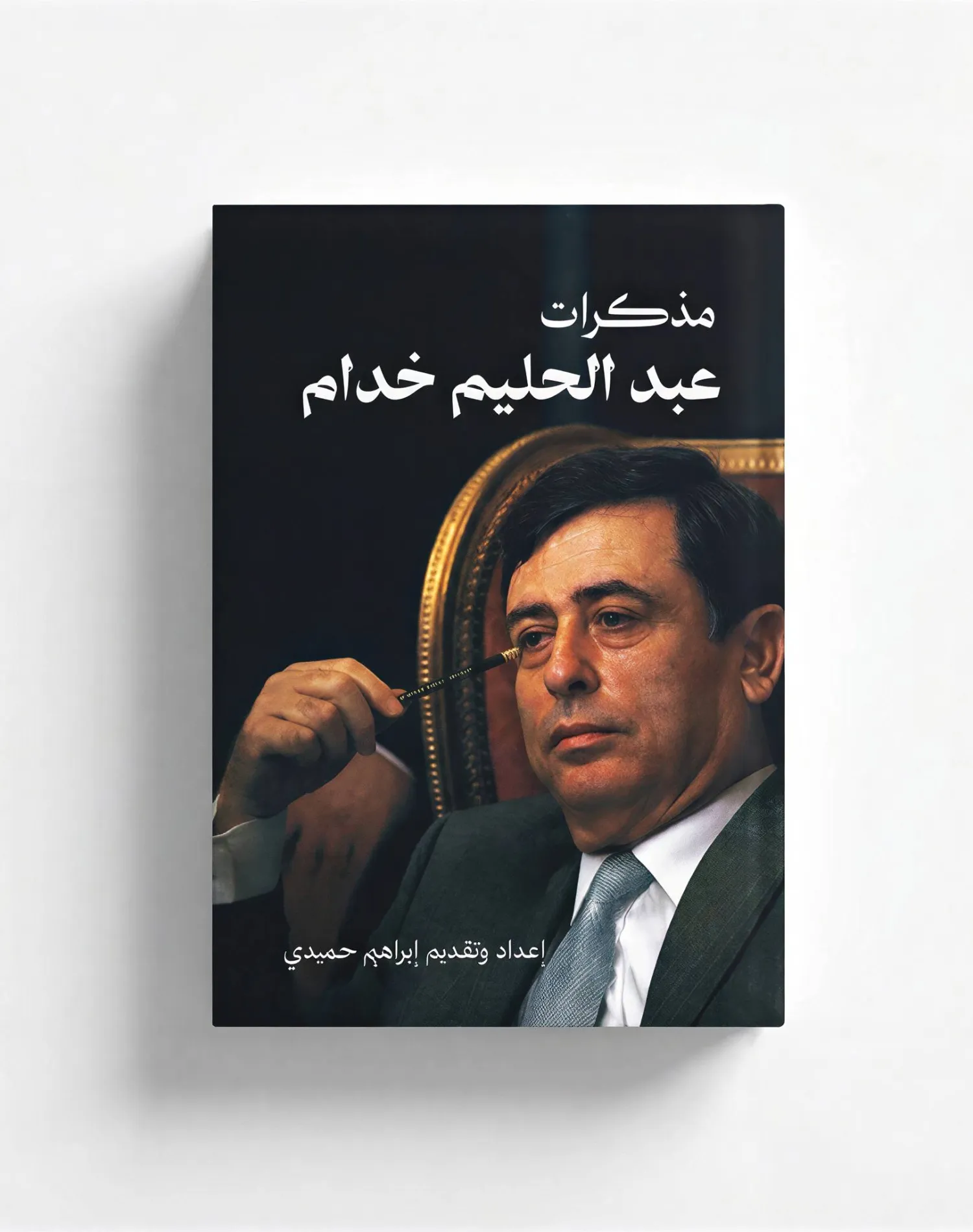
غلاف الكتاب

Former Syrian Vice President Abdul Halim Khaddam reveals new details in his memoirs, edited and presented by Ibrahim Hamidi, about the meeting between former Syrian President Bashar al-Assad and the late Lebanese Prime Minister Rafik Hariri in Damascus in the summer of 2004. He describes it as the harshest meeting during the period preceding the assassination.

According to the memoirs, which are due to be published in early September by Rof Publishing House, affiliated with the Saudi Research and Media Group (SRMG), Assad summoned Hariri in July at 7:30 a.m. The meeting took place in the presence of Major General Ghazi Kanaan, Brigadier General Rustom Ghazaleh, and Colonel Muhammad Khallouf. The severity of Assad’s remarks caused Hariri’s blood pressure to rise and led to a nosebleed.

The memoirs trace the roots of the crisis back to the election of Lebanese Army Commander General Emile Lahoud as president of the republic in 1998. In this context, Khaddam recounts that Lahoud’s election to succeed President Elias Hrawi was a decision imposed by Bashar al-Assad after he persuaded his father to support the army commander, despite opposition from most of the Lebanese leaders close to Damascus, including Walid Jumblatt, Nabih Berri, and Rafik Hariri, and following pressure exerted on the parliamentarians by Major General Ghazi Kanaan.

Khaddam reveals that he subsequently asked President Hafez al-Assad to relieve him of responsibility for the Lebanese file because his position on Lahoud was well known. The file was then transferred to Bashar, “and thus the political management of this complicated file came to an end and fell into the hands of the Syrian security agencies.”

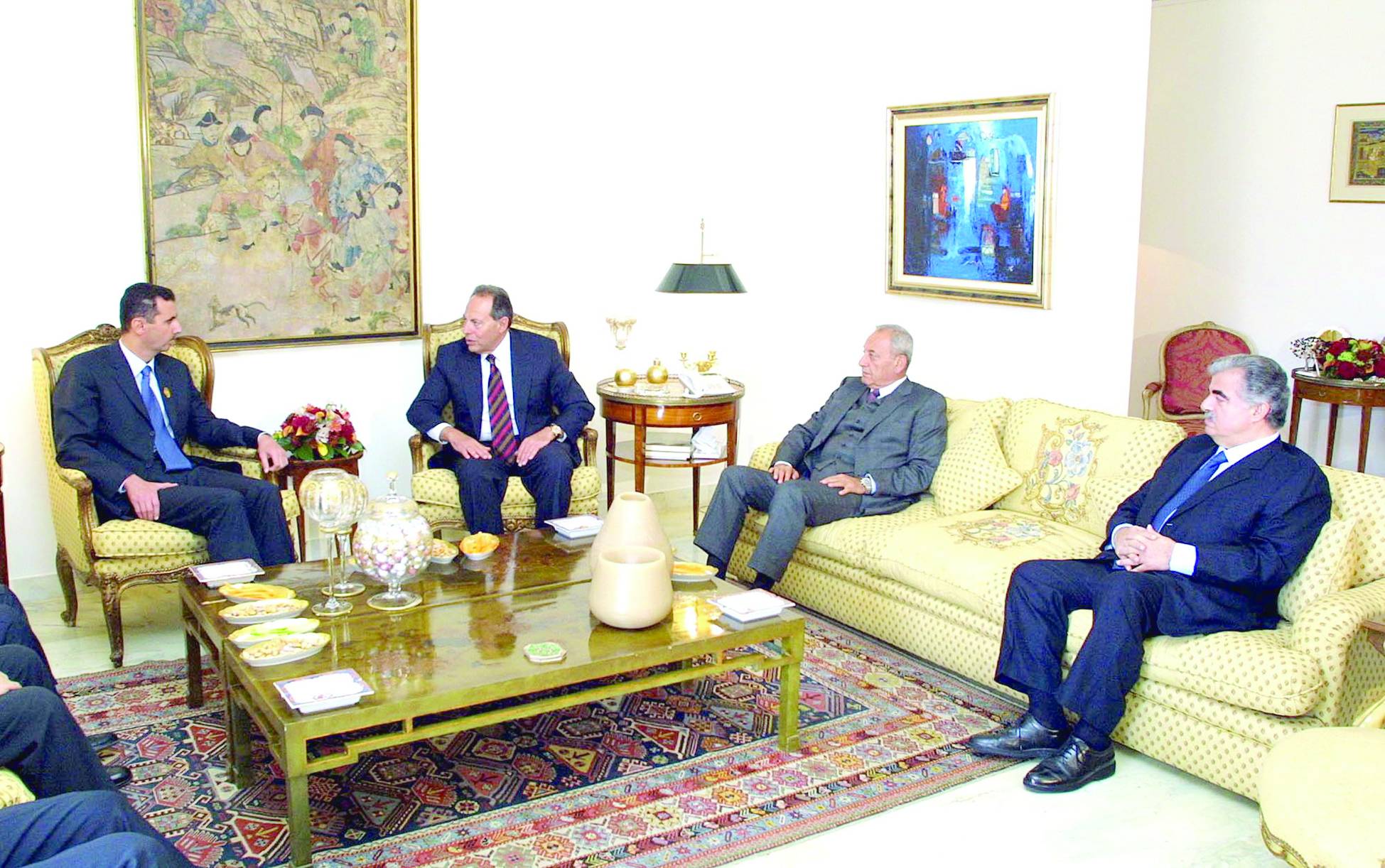
بشار الأسد مجتمعاً بإميل لحود ونبيه بري ورفيق الحريري (غيتي)

Bashar al-Assad meeting with Emile Lahoud, Nabih Berri, and Rafik Hariri (Getty).

Khaddam recounts that on the same morning, he had an appointment with Assad and found him “agitated and tense.” He heard Assad’s account of the meeting directly:

“I had Rafik Hariri with me, and I spoke to him clearly and frankly in the presence of the officers. I told him that he was not permitted to work toward bringing in a president other than Emile Lahoud. I am the one who chooses who governs Lebanon, and whoever opposes me, I will break his bones.

Khaddam says he was surprised by these remarks and responded to the president:

“You are speaking to the Prime Minister of Lebanon, who represents the Sunni Muslims in his country. Have you considered the impact of your words if they become known through the media? How can you address the Prime Minister of Lebanon in the presence of these officers?”

At that point, according to the account, Assad calmed down and asked his vice president to invite Hariri to visit him “to erase the consequences” of the meeting.
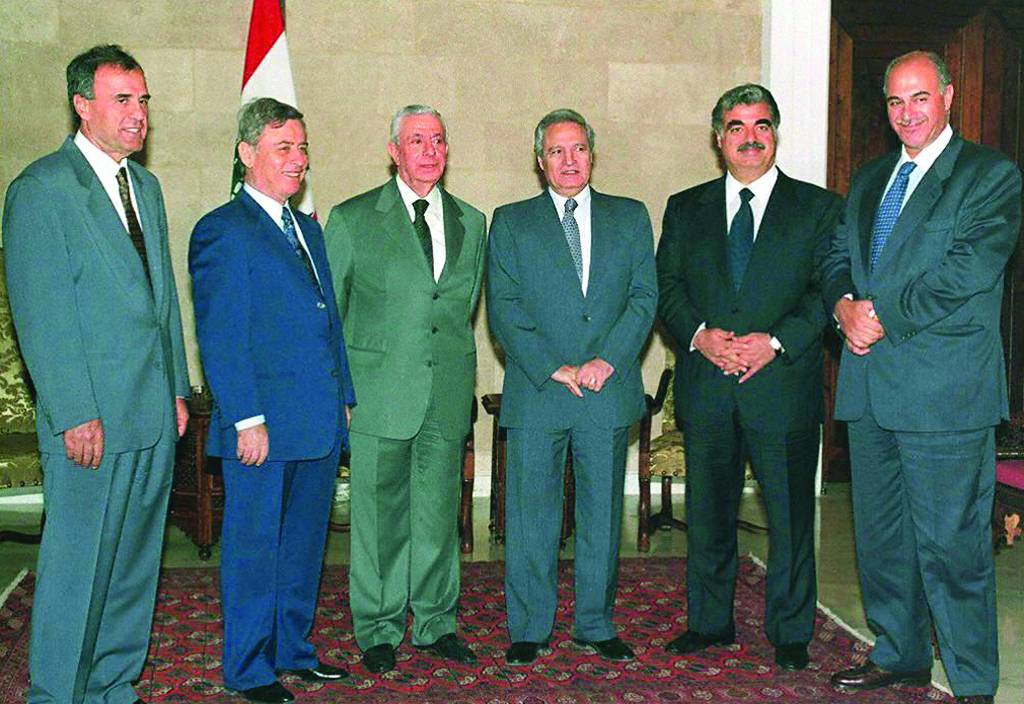
من اليمين فارس بويز ورفيق الحريري وفاروق الشرع وإلياس الهراوي وعبد الحليم خدام وغازي كنعان خلال لقاء في قصر بعبدا (غيتي)

From right: Faris Boueiz, Rafik Hariri, Farouk al-Sharaa, Elias Hrawi, Abdul Halim Khaddam, and Ghazi Kanaan during a meeting at Baabda Palace (Getty).

The memoirs add that Hariri initially refused, telling Khaddam by telephone: “After my last visit, I will not visit Damascus.” He then agreed to meet him in Bloudan, northwest of Damascus, where he appeared “deeply hurt” and said: “I will never forget my meeting with Bashar al-Assad for as long as I live.”

The account goes beyond this remark and traces the course of the extension itself. On August 18, 2004, Khaddam says Assad told him that he had decided not to extend Lahoud’s term:

“No one in the world supports Lahoud. The Arab countries do not support him, and the majority of Lebanese are opposed,”

adding that he had been “firm” with the Lebanese president.

But just three days later, while Khaddam was in France, Hariri called him to tell him that Assad had changed his mind and had summoned him to Damascus for a brief and tense meeting, during which Assad told him:

“You must define your position. Are you with Syria or against it?”

Khaddam reports that Hariri told him Walid Jumblatt had advised him to agree to the extension and then resign, and that Khaddam himself advised him to agree, leave Lebanon, and announce his resignation from abroad.

Khaddam records that Hariri, after informing Brigadier General Rustom Ghazaleh that he had agreed and leaving for Sardinia to meet his family, called him several days later and asked:

“If I return to Lebanon, is there any danger to my life?”

Khaddam reassured him that he had agreed to everything that had been asked of him and that Assad “still needed him, because the constitutional amendment had not yet been completed.”
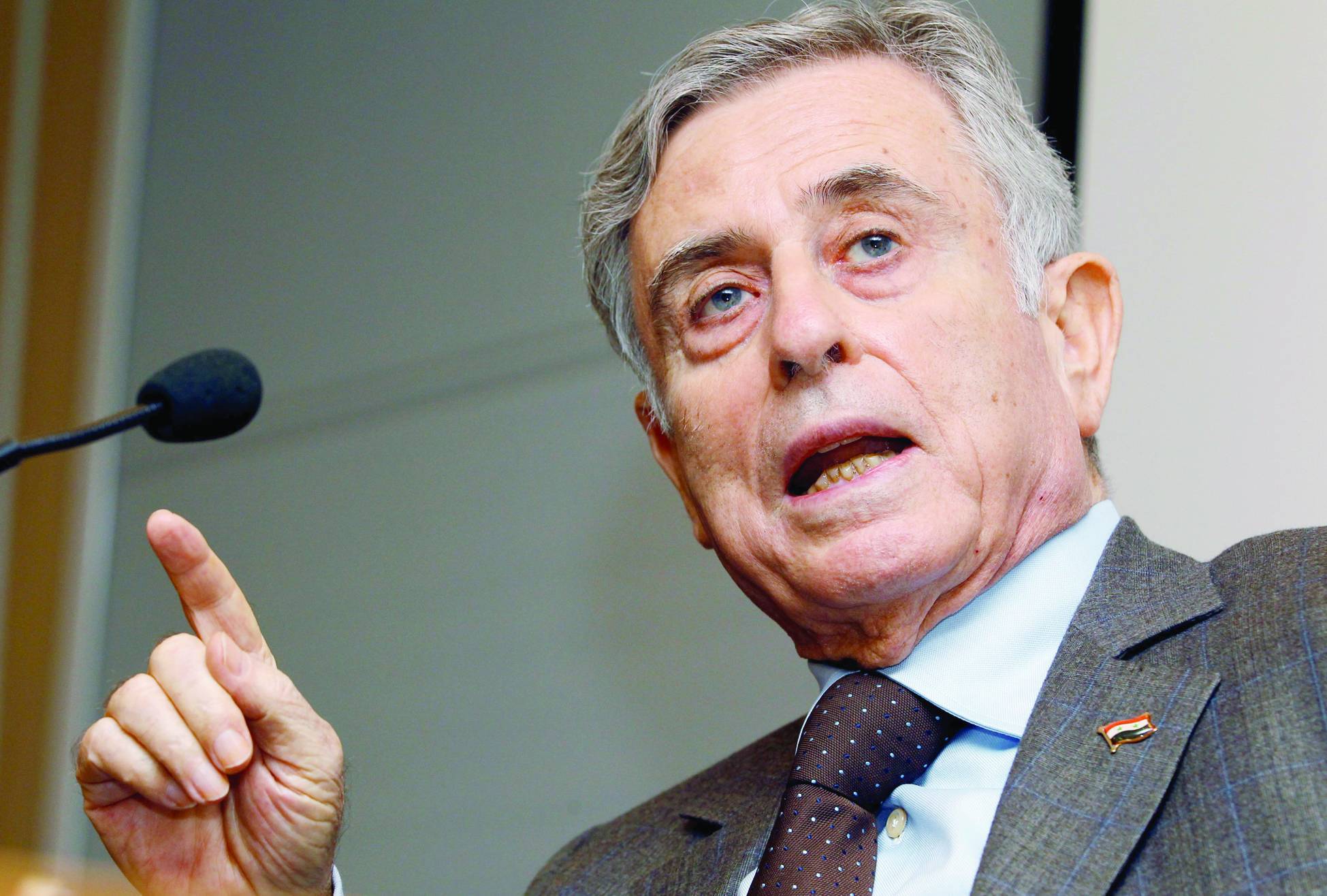
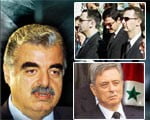
عبد الحليم خدام (رويترز)

The memoirs pause at a last-minute attempt to avert the Security Council session through Spanish mediation. After five hours of diplomatic contacts, Washington, Paris, and London agreed to cancel the session in exchange for a Syrian commitment to reverse the extension of Lahoud’s term. But Foreign Minister Farouk al-Sharaa told his Spanish counterpart: “Lebanon is an independent country and we have nothing to do with the matter.” The Security Council therefore met the following day and adopted Resolution 1559 under Chapter VII, placing the Syrian regime—as the memoirs put it—under the scrutiny of the Security Council.

The significance of this testimony lies in the position held by its author: for decades, Khaddam was the Syrian official responsible for the Lebanese file, before it was transferred—as he recounts—to Bashar al-Assad and the security agencies. Thus, a single statement takes on significance beyond a personal episode, becoming a key to understanding the period of complete rupture between Damascus and broad segments of the Lebanese population.

The full account of the meeting, as well as the events leading up to and following it, appears in the chapter “The Assassination of Rafik Hariri” in the book.

Facebook
Twitter
LinkedIn
WhatsApp