One of the most sensitive revelations in the memoirs of the late Syrian Vice President Abdul Halim Khaddam, in terms of the relationship between money and power, is his account that Syria’s state reserves—then amounting to $12 billion, according to the text—were registered in the name of the late President Hafez al-Assad rather than in the name of state institutions.
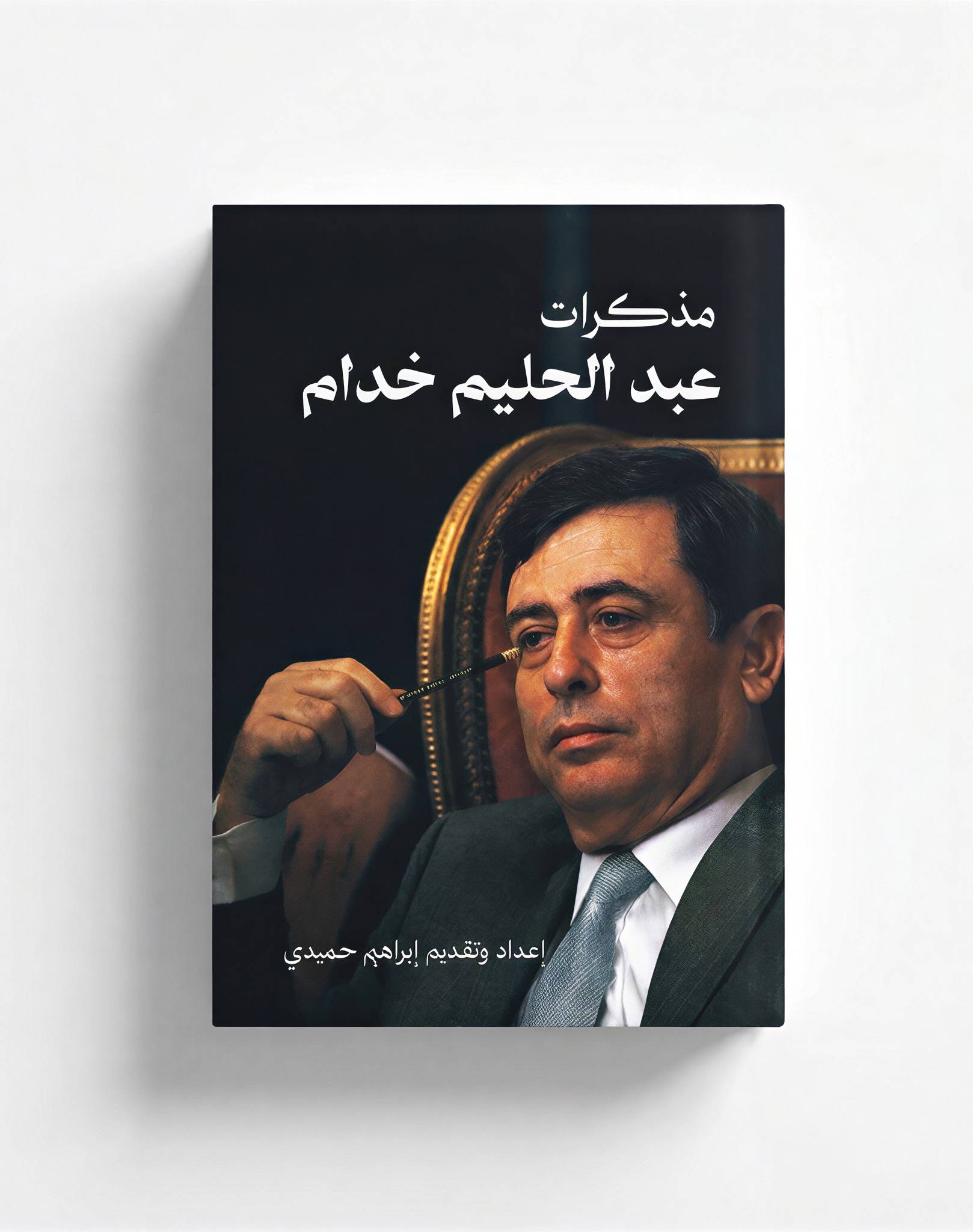
In the memoirs, edited and presented by Ibrahim Hamidi, editor-in-chief of Al Majalla, and due to be published in early September by Raf Publishing House, affiliated with the Saudi Research and Media Group, Khaddam writes: “It never occurred to anyone that such a large sum would be placed in the personal name of the head of state, when it was money belonging to the Syrian state, not to him.”
In Khaddam’s account, the matter did not remain merely procedural; it developed into an internal crisis when the president received a document indicating that a sum of money had been withdrawn from the account held in his name abroad. Assad was surprised and asked the bank for the transfer document. A few days later, a copy of the request arrived, and upon examining the signature, it was found to be forged. The bank was asked who the recipient of the transfer—$65 million—was, and it turned out to be Mahmoud al-Zoubi, the prime minister.
Khaddam recounts that Hafez al-Assad was furious and instructed one of the heads of the security services to summon al-Zoubi and warn him to return the money or face execution. The money was indeed returned to the bank.
The memoirs place the incident within the broader trajectory of al-Zoubi himself, who remained prime minister from November 1987 until March 2000, making his tenure the longest premiership since the establishment of the Syrian state in 1918.
Khaddam paints a harsh portrait of a man who “slipped not only into facilitating corruption, but also into practicing it.” He recounts how al-Zoubi built his network of influence upward toward the offices of Basil al-Assad and Muhammad Makhlouf, while Khaddam himself had been raising the issue of corruption with Hafez al-Assad since 1989, only to receive the response: “Where do you get this information from? Reality is different from what you are saying.”
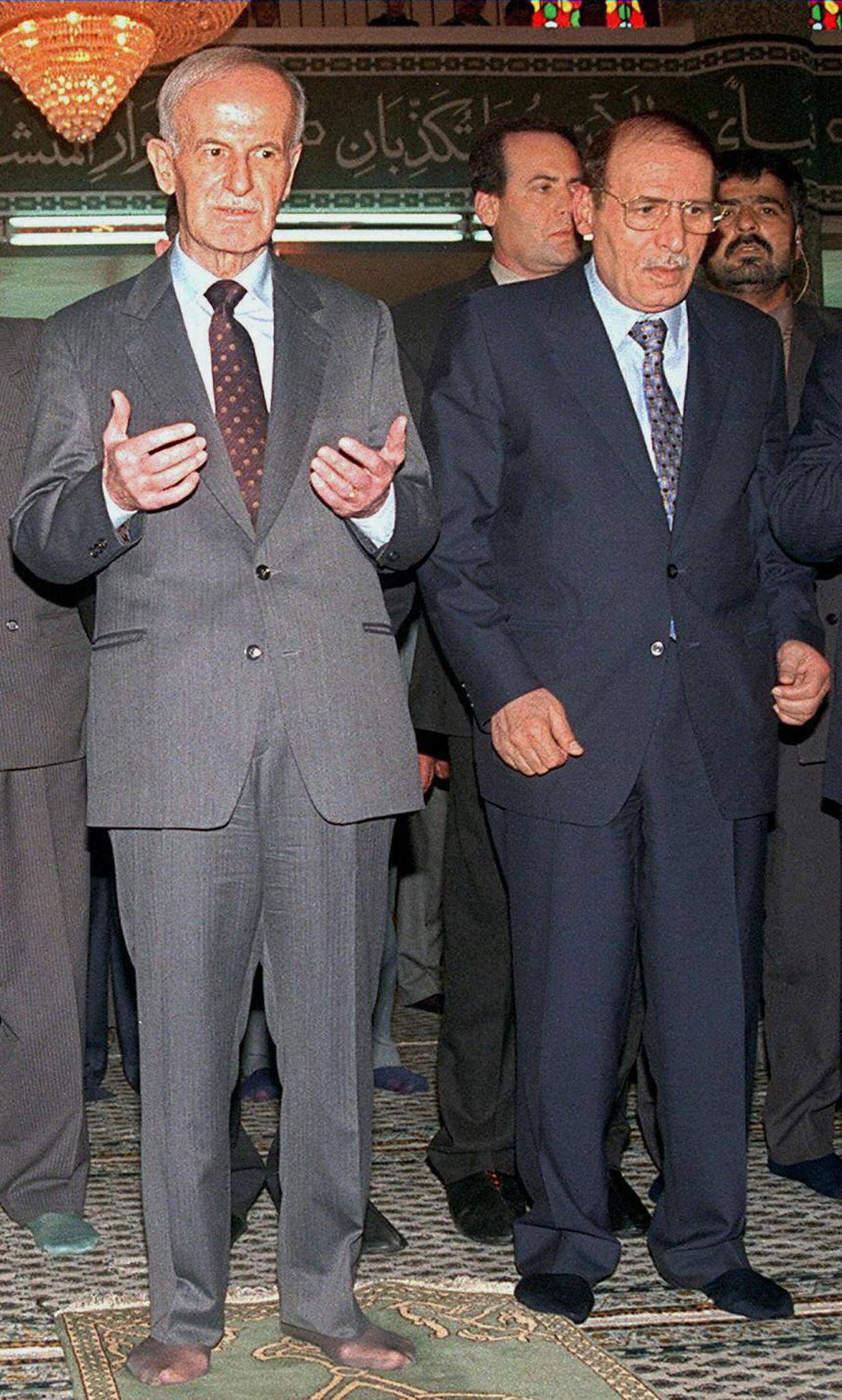
Hafez al-Assad with the late Prime Minister Mahmoud al-Zoubi at his side (AFP)
Khaddam then recounts the final chapter from the inside. In mid-May 2000, the late president, who appeared to be showing “signs of impending death,” summoned several members of the leadership of the ruling Baath Party to his home and told them: “Mahmoud al-Zoubi has betrayed me. Investigate him and hold him accountable,” without disclosing the nature of the matter.
Al-Zoubi was expelled from the party and it was decided that he would be referred for investigation. When he was informed of the decision, he repeatedly asked: “What have I done?” He then told Khaddam: “If they call me in for questioning, I will kill myself.” On May 24, 2000, when the Damascus police chief arrived with two officers to take him in for questioning, al-Zoubi went upstairs to the second floor of his home and shot himself in the head. Khaddam writes that he learned of the forgery and the reserves “shortly” after the suicide.
The memoirs place the incident alongside other matters involving al-Zoubi, most notably the contract to purchase Airbus aircraft in the early 1990s: a committee headed by the prime minister, from which the transport minister was excluded after he contacted the French company “to obtain a commission,” and a contract that the government approved despite documented objections “after al-Zoubi gave it the impression that the president had approved it.”
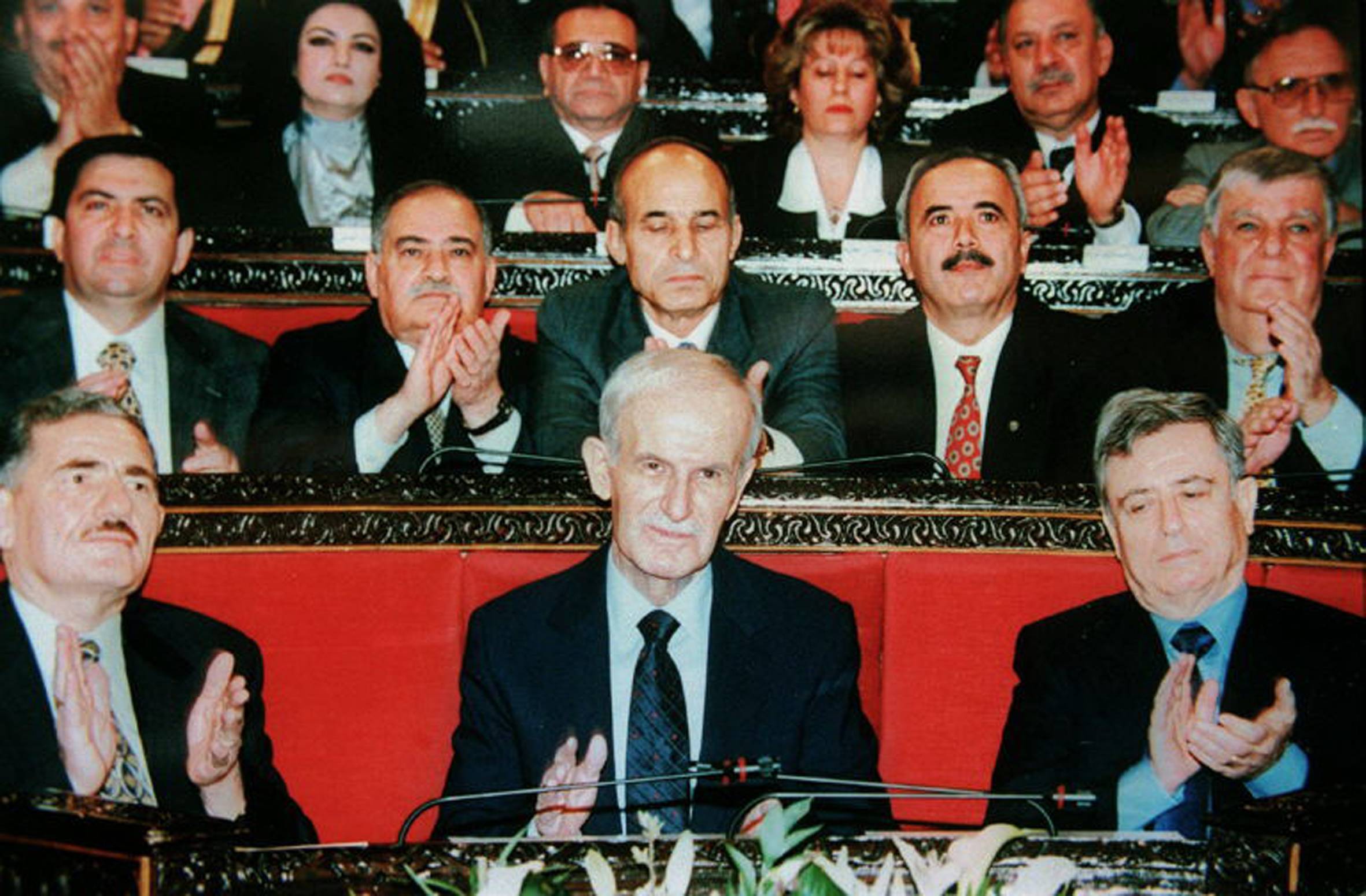
Hafez al-Assad with Abdul Halim Khaddam to his left in 1999 (Getty)
Khaddam notes an irony: a few days after al-Zoubi’s suicide, Deputy Prime Minister Salim Yassin and Transport Minister Mufid Abdel Karim—both of whom had objected to the contract—were arrested “unjustly.” They were sentenced to fifteen years in prison and fined an amount exceeding the value of the aircraft.
In the same context, he recounts that an economic reform study prepared by experts commissioned by the late Lebanese Prime Minister Rafik Hariri, with the president’s approval, and costing $3 million, “was read by no one among the government and leadership except me.”
The banking documents referred to could not be independently verified, and the account remains the responsibility of its author. Details of the incident, the context surrounding al-Zoubi’s government, and the corruption cases associated with it are recounted in the chapter “The Suicide of Mahmoud al-Zoubi” in the book.